Pollution Cleanup Coverage Can Reach Campus Hazards: Federal Court Allows School’s Claim for Glass Removal to Proceed
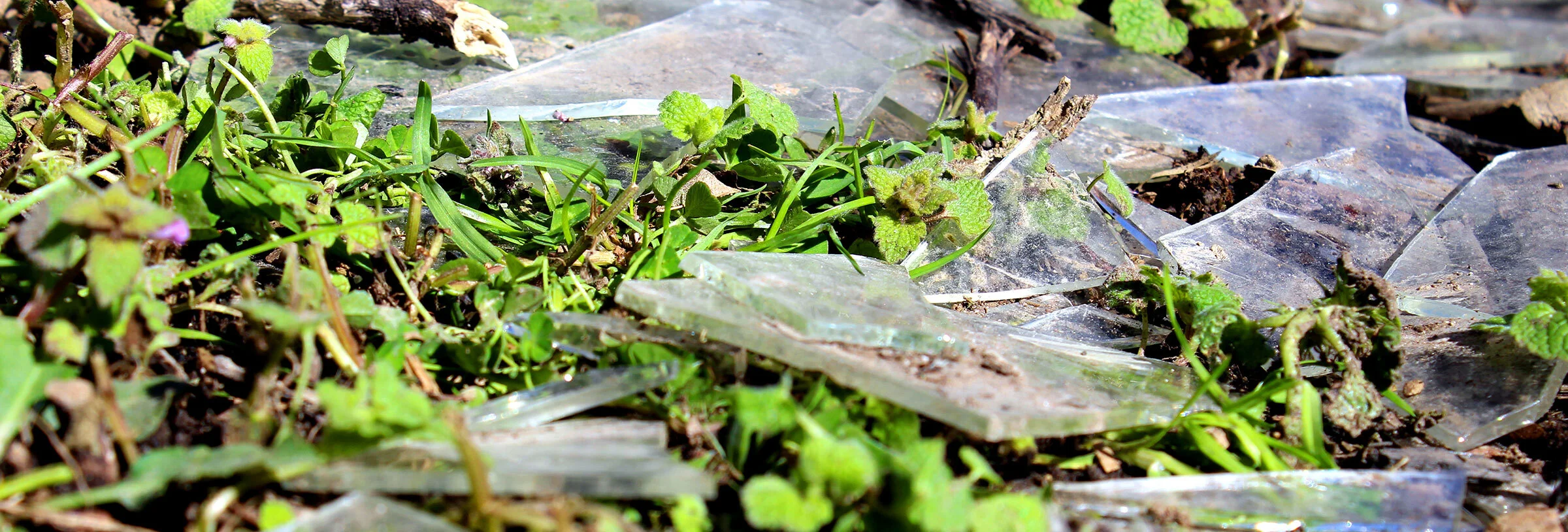
A New Jersey School can proceed on the basis that broken glass may qualify as a pollutant. The court denied the insurer’s motion to dismiss, holding that the school plausibly alleged coverage under a policy provision requiring the insurer to pay the expense of extracting “pollutants” from land. The court reasoned that broken glass embedded in a school field could qualify as a “solid … contaminant” within the policy’s definition of pollutant.
The case arose after a school discovered broken glass embedded in a grass athletic field and submitted a claim under a property insurance policy that affirmatively covered costs to extract pollutants from its property. The insurer denied the claim and moved to dismiss, arguing that the pollution provision applied only to “traditional environmental pollution” and asserted that there was no environmental hazard tied to the glass.
The court rejected that position. Critically, the court emphasized the distinction between interpreting a policy exclusion that restricts coverage and interpreting an insuring agreement that affirmatively grants coverage. The clause at issue affirmatively granted coverage and therefore had to be read broadly under New Jersey law, with ambiguities resolved in favor of the insured. Because the definition of pollutants included “solid… contaminant,” the court concluded that broken glass rendering a school field unsafe could reasonably fall within the coverage grant, and allowed the school’s claim to proceed.

