Interior Approves New Streamlined Natural Resource Damage Assessment Process
On July 13, 2026, the Department of the Interior (Interior) issued a long-awaited final rule creating a streamlined pathway within Interior’s natural resource damage (NRD) assessment and restoration regulations. Interior expects the new “Type A” regulations to reduce the cost of an average NRD assessment for private parties by more than 75% and support faster settlements.
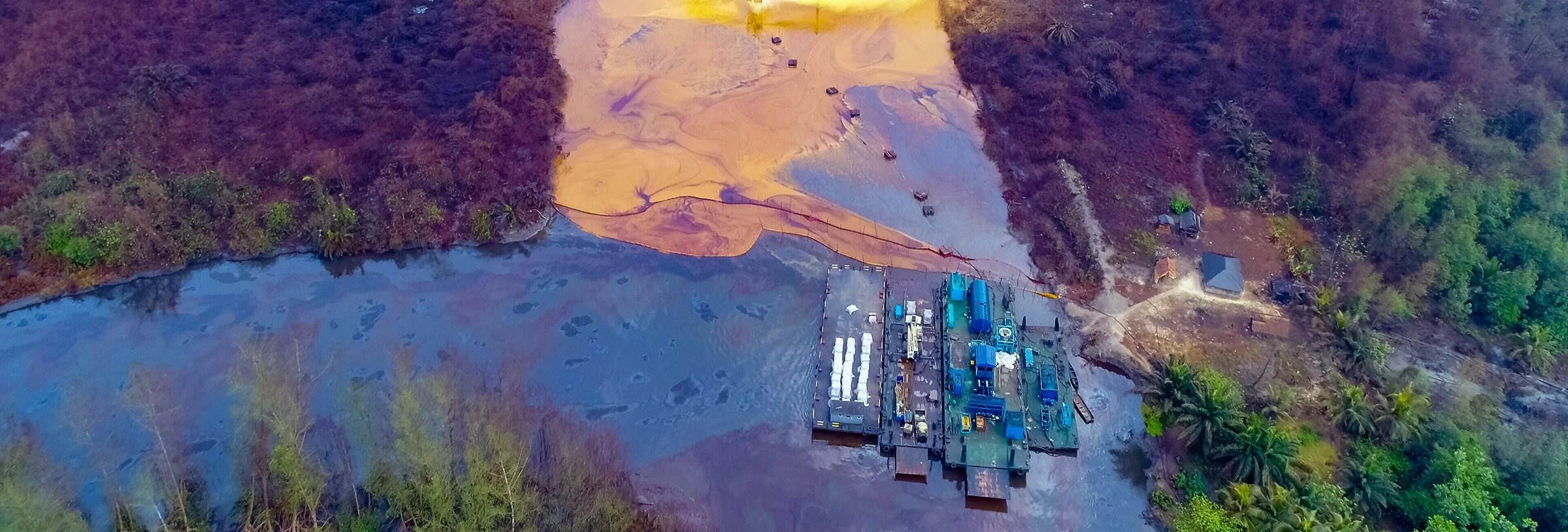
At its core, an NRD assessment is a process used by “Trustees” — government agencies that hold natural resources “in trust” for the public — to quantify harm to natural resources after a release or spill of hazardous substances into the environment. Trustees use the NRD assessment to identify what natural resources were harmed (e.g., fish, birds, habitat, groundwater, etc.), determine how severely those resources were harmed and evaluate what restoration is needed to return the natural resources to pre-release conditions and to compensate the public for interim losses of associated ecological services.
Currently, nearly all NRD assessments proceed under the “Type B” pathway, which requires detailed, site-specific field work and is often expensive and time-consuming, sometimes taking years to complete. By contrast, the Type A pathway is intended to provide “standard procedures for simplified assessments requiring minimal field observation.” 42 U.S.C. § 9651(c)(2)(A). But Interior had not updated its Type A regulations in nearly 30 years and restrictions in the prior regulations made them virtually unusable. More information on the history of the Type A rule can be found here. Interior responded to calls for reform and worked with interested parties, including States, Tribes and industry groups, to formulate the new rule.
The new regulations substantially overhaul the Type A rule and make it available in most NRD cases. Rather than relying on site-specific field studies, the new Type A process uses modeling to assess damages and identify appropriate restoration activities. Trustees then prepare a Type A report explaining their methodology and providing an opportunity for public comment.
The new Type A procedures may be used in any geographic environment and for any natural resource. The rule includes just three main restrictions:
- All Trustee agencies pursuing the NRD claim must agree to use the Type A procedures;
- The anticipated damages must be less than $5 million, unless all parties agree to a higher limit; and
- At least one potentially responsible party (PRP) must voluntarily agree to use the Type A procedures and sign a tolling agreement for at least one year to address potential statute-of-limitations issues.
Interior estimates that using a Type A assessment instead of a Type B assessment will save at least $1.6 million per assessment. Because Trustees may recover “reasonable costs of assessment” from PRPs, those savings can directly benefit private parties seeking to resolve NRD liability.
The new Type A rule takes effect on August 12, 2026. Interior plans to issue guidance soon on how to use the new Type A procedures.
We will continue to update you as new information becomes available.

