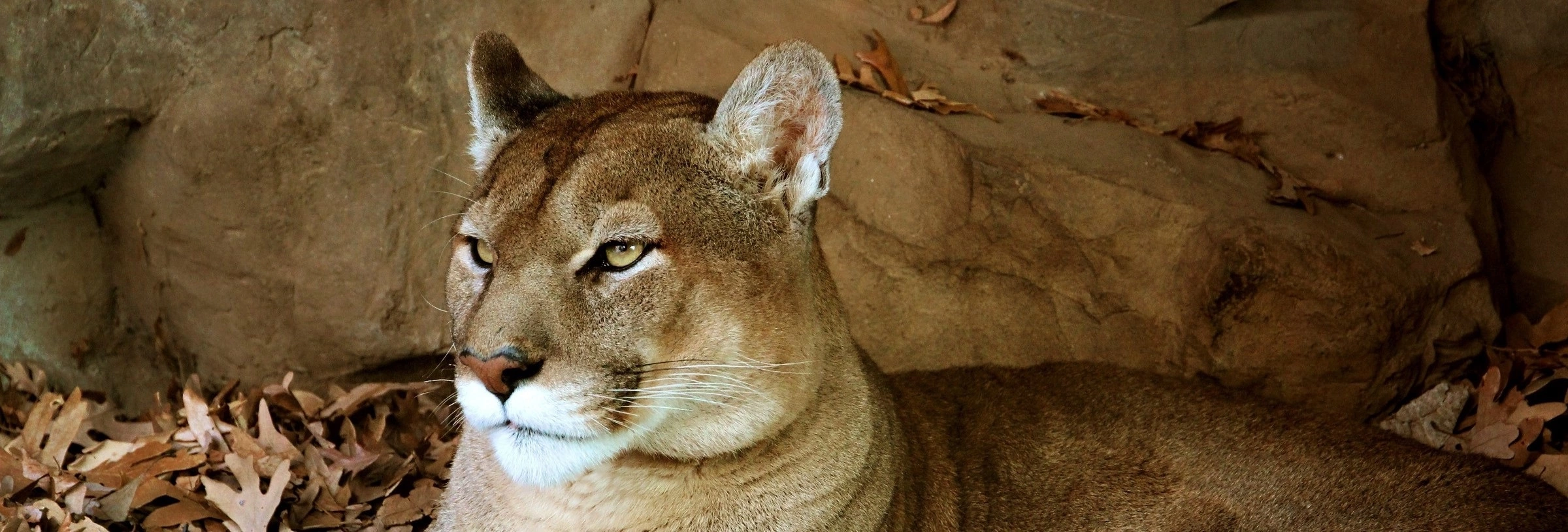
Cougars or Wolves? Theory or Reality? U.S. District Court Follows the Evidence.
The U.S. District Court for the District of New Mexico looked at the evidence and granted our motion for summary judgment on behalf of the Department of Game and Fish.
They simultaneously denied plaintiffs motion for summary judgment in this case alleging the Department of Game and Fish was in violation of section 9 of the Endangered Species Act by enforcing amendments to its regulations that govern trapping of cougars within New Mexico. The case was brought by the Humane Society seeking to invalidate State trapping regulations. Plaintiffs argued that the regulations, which amended existing regulations that authorize trapping of cougars, violate the Endangered Species Act take prohibition. Plaintiffs reasoned that the regulations would inevitably cause the take of Mexican wolves since cougars and wolves co-occur. The Court rejected the challenge, affirming that the cougar trapping regulations are lawful.
The court noted that the challenged regulations have been in effect for two full trapping seasons. During that period, there is not a single record that a Mexican wolf has ever been caught in a trap set for cougars in New Mexico. The court then explained that the fact that no wolf has been caught in a cougar trap since the Cougar Rule has been in effect is strong evidence, even if it is not dispositive, that the rule is not causing take of the Mexican gray wolf, by any definition of the word ‘take’ under the ESA statute.
